L-Glutathione: What It Is and Why It’s Important for Cellular Protection


L-glutathione is a naturally occurring compound that helps protect cells from oxidative stress and maintain normal cellular balance.
In this article by AlphaLife Sciences , we’ll explore its structure, what the “reduced form” means, what human studies show, and how to approach dietary supplements and cosmetic products wisely.
If you’re interested in this topic because of its antioxidant protection or for daily care, the most useful first step is to distinguish its actual biological role from overly broad claims.
What Is L-Glutathione and Why Is It Important for Cells?
L-glutathione is a tripeptide composed of three amino acids—glutamic acid, cysteine, and glycine. The body synthesizes it on its own, and the molecule participates in reactions that limit the effects of reactive oxygen species.
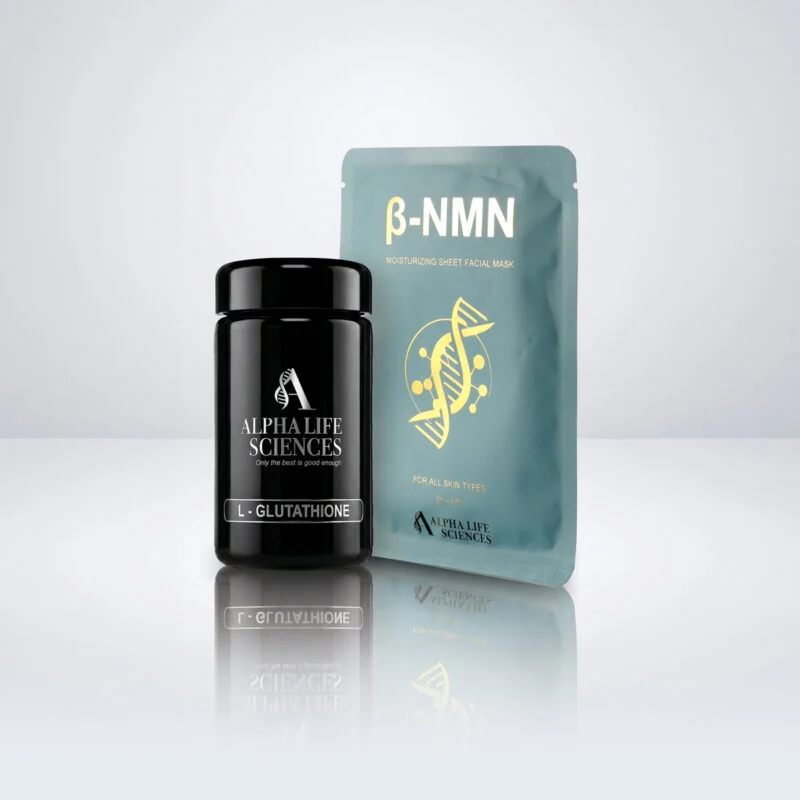
It is also linked to the functioning of other antioxidant systems within the cell. For a practical example of how this substance is marketed as a dietary supplement, consider a formula containing reduced glutathione, which lists the ingredients and the amount per daily dose.

What does “reduced form” mean?
L-glutathione is often referred to as GSH, which refers to the reduced form of the molecule. It can donate electrons in antioxidant reactions, after which it converts to its oxidized form.
Under normal cellular conditions, mechanisms exist that facilitate its restoration to its active state.
Therefore, it is more accurate to speak of a dynamic antioxidant system rather than a simple logic in which a larger quantity necessarily means a better result.
What do studies show about L-glutathione in humans?
The data on oral L-glutathione are interesting but do not justify making universal health claims. Some controlled studies in healthy adults suggest that long-term use may increase glutathione levels in certain blood and cellular markers.
Other, shorter studies did not find the same effect on all measured markers of oxidative stress. The duration, dosage, baseline condition of the participants, and measurement methods are important factors in interpreting the results.
Why an antioxidant isn’t the same as a medicine
L-glutathione plays an important physiological role, but a dietary supplement containing it should not be presented as a treatment for a disease or a substitute for prescribed therapy. Supplements are only part of a broader regimen that includes diet, sleep, physical activity, and medical evaluation when symptoms are present.
In the dietary supplement category , different formulas can be compared based on their composition and intended use, rather than treating a single active ingredient as a one-size-fits-all solution.
How Daily Habits Are Linked to L-Glutathione
L-glutathione levels in the body depend on many factors, including the availability of essential amino acids, overall diet, age, and individual health status. The body uses nutrients as raw materials for its own biochemical processes, so supplementation does not eliminate the need for a varied diet and adequate protein intake. It is also unwise to automatically attribute nonspecific symptoms such as fatigue or lack of energy to “low glutathione” without a medical evaluation.
Why Context Is More Important Than a Single Value
When it comes to L-glutathione, it is important to remember that oxidative stress is a complex biological process and cannot be reliably assessed based on a single, isolated indicator. A similar principle underlies functional diagnostics, in which individual values are considered in conjunction with how the body functions in everyday life.
Sleep, diet, smoking, physical activity, recovery, and various health conditions can affect antioxidant systems in different ways.
Therefore, when it comes to L-glutathione, the more sensible approach is to consider the overall context and, in the case of specific symptoms, to look for the cause rather than automatically starting to take supplements.

How L-Glutathione Is Used in Supplements and Cosmetics
L-glutathione can be found in both dietary supplements and cosmetic formulations, but these applications are not interchangeable. For capsules, the daily dose, the form of the substance, the clear list of ingredients, and the directions for use are important. With topical application, the final effect depends on the entire cosmetic formula—the stability of the ingredients, their concentrations, the moisturizing components, and compatibility with the individual’s skin. Therefore, the method of application must always be part of the assessment.
Why the full ingredient list of a cosmetic product matters
In glutathione and β-NMN cream, L-glutathione is combined with peptides, hyaluronic acid, ceramide, squalane, and plant extracts. This demonstrates why a cosmetic product should be evaluated as a comprehensive formula rather than based on a single trendy ingredient.
If you have sensitive skin or are using other active products at the same time, it’s wise to introduce the new skincare product gradually and follow the instructions for use.

L-Glutathione: How to Make an Informed Choice
When choosing L-glutathione as a dietary supplement, it is helpful to check the amount per daily dose, the molecular form, the manufacturer, the storage conditions, and the warnings on the label.
It is not good practice to increase the recommended dose on your own in the hope of achieving a stronger effect. In cases of chronic illness, regular medication use, pregnancy, breastfeeding, or other health conditions, it is advisable to discuss the decision to take this product with a doctor or pharmacist.
An informed choice is more valuable than grand promises
L-glutathione is an important component of the body’s natural antioxidant system and, at the same time, the subject of ongoing research.
A realistic approach is to consider the product’s quality, method of use, and available data, without presenting the supplement as a promise of a cure, “detox,” or rejuvenation.