How Our Daily Choices Shape Our Longevity


There is a significant difference between living a long life and truly feeling good as the years go by. To maintain clarity of thought, physical strength and mobility, curiosity about the world, and the energy to do the things that bring us joy. This is precisely what lies at the heart of the modern understanding of longevity. It is no longer viewed merely as a race against biological age, but as a quest to preserve our quality of life for as long as possible.
This approach requires us to look beyond the visible signs of aging. The skin often reflects the changes that occur over time, but behind them lie much more complex processes. Metabolism, sleep, a balanced diet, physical activity, mental well-being, and cellular processes are all closely interconnected. That is why caring for ourselves from the inside out is not just a passing trend, but a way of viewing health as a holistic system in which our daily choices matter.
The mind needs constant challenges
Brain health is an essential part of our long-term well-being. It goes beyond just having a good memory; it encompasses our ability to learn, concentrate, make decisions, and maintain our interest in the world. Neurologists emphasize the importance of physical activity, mental stimulation, quality sleep, and managing cardiovascular risk factors for maintaining cognitive health.
In everyday life, this might mean walking more, reading, learning new skills, and meeting people with whom we have interesting conversations. Regular exercise and intellectual challenges do not guarantee protection against cognitive decline, but they are part of the habits that can contribute to brain health. It is equally important to monitor blood pressure, blood sugar, and cholesterol levels, and not to delay seeking medical advice if you experience significant changes in memory or thinking.
A Balanced Diet as a Long-Term Investment
The body needs energy and nutrients to sustain metabolic processes and normal cellular function. The key lies not in any single ingredient, but in an overall dietary pattern. A diet that includes a variety of vegetables, fruits, legumes, whole grains, nuts, and appropriate sources of protein and unsaturated fats can help support metabolic and cardiovascular health.
The practical step is not to search for the perfect diet, but to develop sustainable habits. It’s important to eat a varied diet, limit excessive intake of free sugars and highly processed foods, and take into account the body’s individual needs. Dietary supplements can also have their place when they complement the diet according to specific needs, but they cannot replace a balanced diet or compensate for a consistently unhealthy lifestyle.
Sleep is the key to recovery
Our daily lives often lead us to view sleep as time we can save. In fact, the body relies on it to maintain a number of physiological functions. Sleep plays a role in regulating metabolism and the hormonal signals related to appetite, and a prolonged lack of sleep can negatively affect concentration, mood, and physical health.
A regular bedtime, a calmer evening routine, and limiting caffeine late in the day are good starting points. For most adults, the guideline is at least seven hours of sleep per night, although individual needs vary. If sleep problems become persistent, they deserve attention rather than being accepted as an inevitable part of aging.
Physical strength is also a form of longevity
As we age, maintaining muscle mass, strength, and balance becomes increasingly important to our ability to live independently. These factors determine not only how easily we move, but also to what extent we can continue to perform our daily tasks without assistance.
Physical activity doesn’t have to be exhausting. Walking, bodyweight exercises, resistance band workouts, and appropriate strength training can become a sustainable habit. General recommendations for adults are at least 150 minutes of moderate-intensity aerobic activity per week, combined with exercises to strengthen major muscle groups on two or more days. It is important to tailor the intensity to one’s physical fitness and health status, starting gradually when necessary.
Cellular health isn’t just about one ingredient
Aging is driven by a multitude of interconnected biological processes. Over the years, cell functions change, as do the ways in which cells use energy and the mechanisms through which they maintain their internal organization and cope with damage. Research in the field of longevity seeks to better understand these changes and the potential ways to influence the associated processes.
This is why interest in cellular health is growing. However, it is important to distinguish between promising areas of scientific research and proven benefits for humans. Results from laboratory studies do not automatically mean that a given ingredient will have the same effect in humans, nor that it can completely prevent or reverse the natural aging process. Therefore, focusing on cellular health makes sense as part of a broader approach that includes a balanced diet, exercise, quality sleep, and attention to overall health.
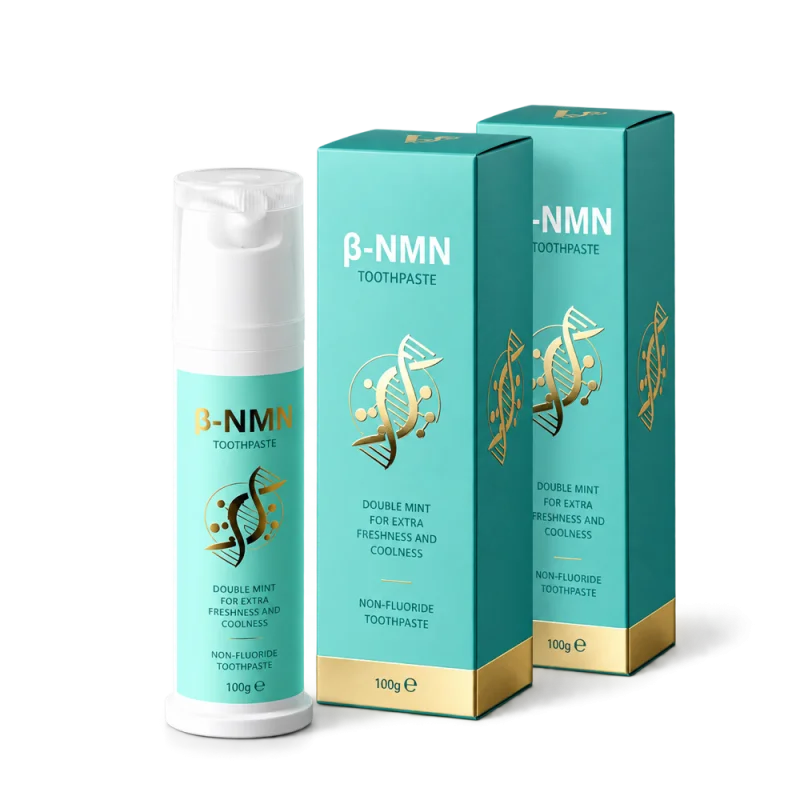
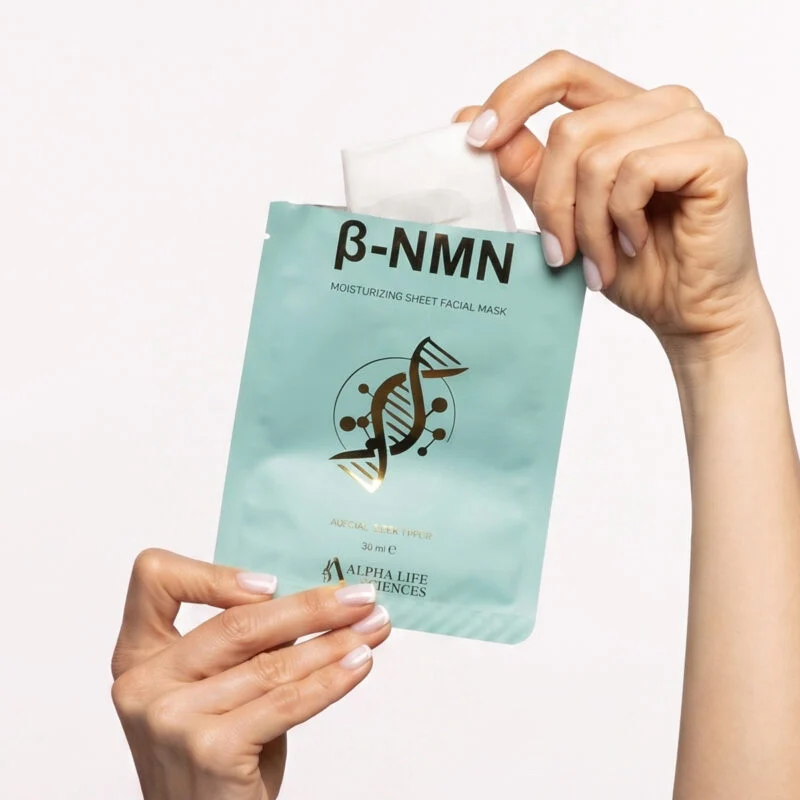
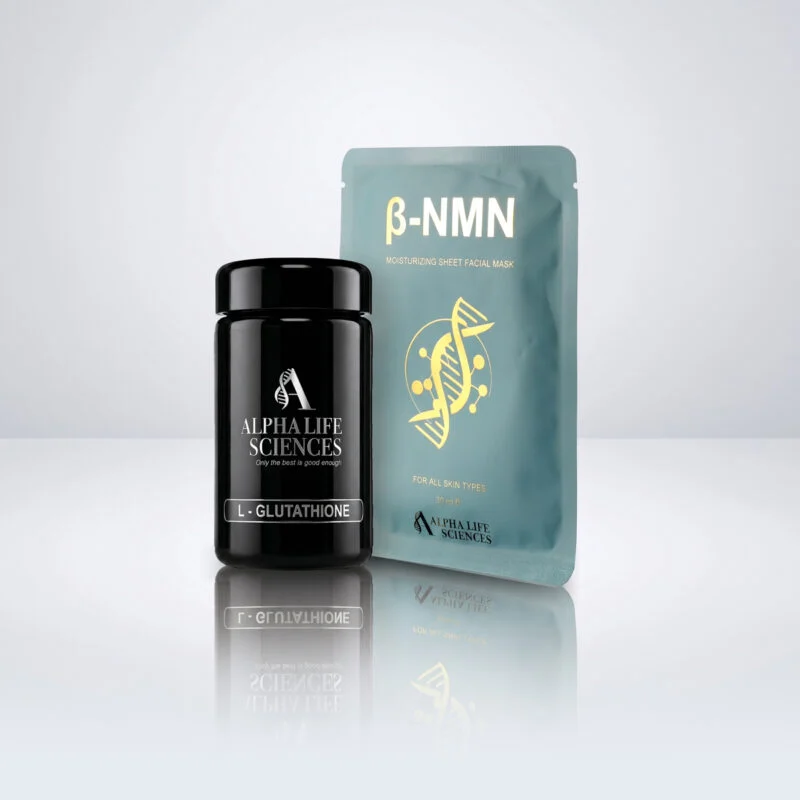
In Alpha Life Sciences , interest in cutting-edge scientific research is part of a broader conversation about mindful self-care. Understanding the processes that take place within cells and researching ingredients with potential benefits opens up new possibilities, but also requires a careful evaluation of the available scientific evidence. Because long-term self-care isn’t limited to a single product or ingredient. It begins with understanding our own needs and is built through consistent choices that contribute to our health and well-being.
Longevity doesn’t begin with a single purchase, a quick change, or a promise of instant results. It is built gradually through the choices we make every day: how we eat, how much we move, how we sleep, and how we manage stress. We cannot control every aspect of aging, but we can create better conditions to maintain our independence, vitality, and quality of life as we grow older.