Biological age is the story your body tells


Our bodies preserve the history of each passing year in a much more subtle way than we realize. We can see part of it in the mirror, while another part is revealed in the results of medical tests. But the most interesting part remains hidden deep within our cells. The years we mark on our birthdays rarely tell the whole truth about the state of our bodies.
In the world of longevity and modern wellness, it has long been understood that age is more than just a number. We all know people who, on the cusp of their sixties, radiate energy. They maintain an active lifestyle and look fresh and vibrant. Others begin to feel the wear and tear of time much earlier. A growing body of scientific evidence shows that this is not simply a matter of genetics or luck. The concept of biological age is becoming increasingly important.
While chronological age is a linear measure of the time that has elapsed since our birth, biological age reflects the body’s actual functional state. It is related to how cells function, their ability to produce energy, function properly, and adapt to the challenges of our daily lives.
What determines our biological age?
That is why two people can share the same birth year, yet their bodies may be at radically different stages of biological development. Today, the scientific community increasingly views aging not as a passive accumulation of time, but as a complex process influenced by numerous factors. Modern epigenetics shows that some of the mechanisms involved are influenced by lifestyle, diet, sleep, stress levels, and the environment in which we live.
Among the scientists who have changed the way we view this process is Prof. David Sinclair of Harvard Medical School. His information theory of aging posits the hypothesis that some of the aging processes are linked to the loss of epigenetic information in cells and that, in the future, some of these processes may be influenced by new scientific approaches.
According to current research, the way cells function is significantly influenced by factors such as diet, physical activity, sleep quality, oxidative stress, and overall lifestyle. It is at this level that changes often begin, which we later perceive as fatigue, low energy, or delayed recovery.
This cutting-edge understanding is also fundamentally changing the approach to longevity. Instead of focusing solely on the outward signs of aging, attention is increasingly turning to the processes taking place within cells.
Innovations in Cellular Health from Alpha Life Sciences
Inspired by this scientific perspective, Alpha Life Sciences is developing solutions in several key areas that are currently among the most promising fields in the science of healthy aging.
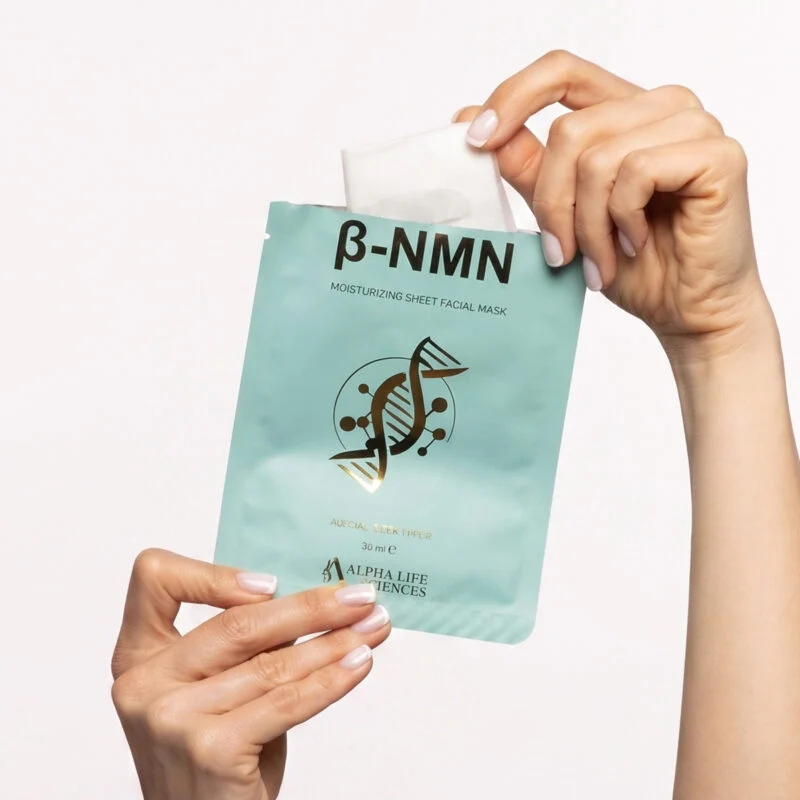
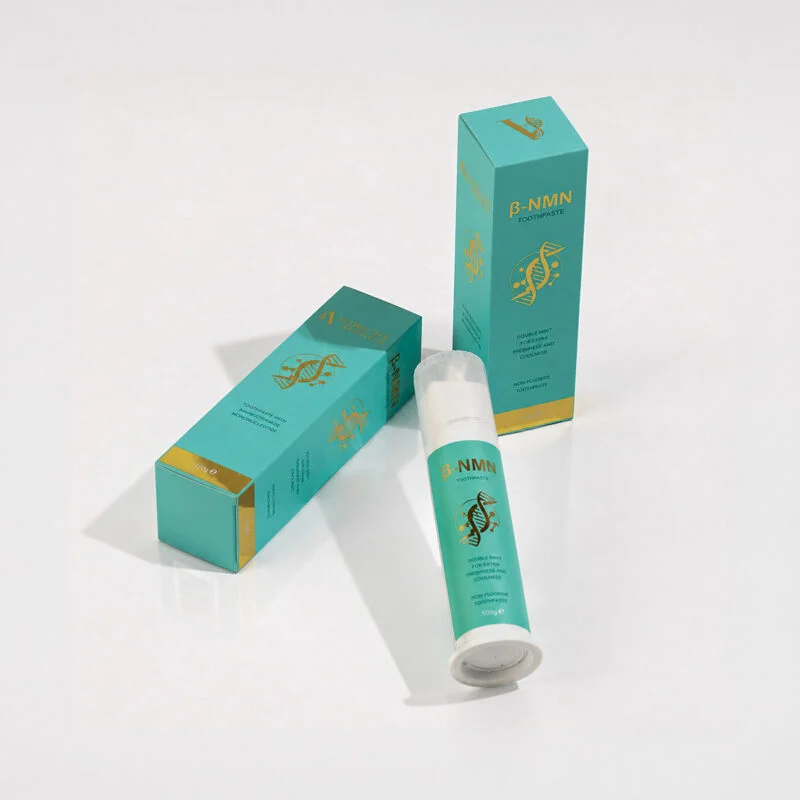
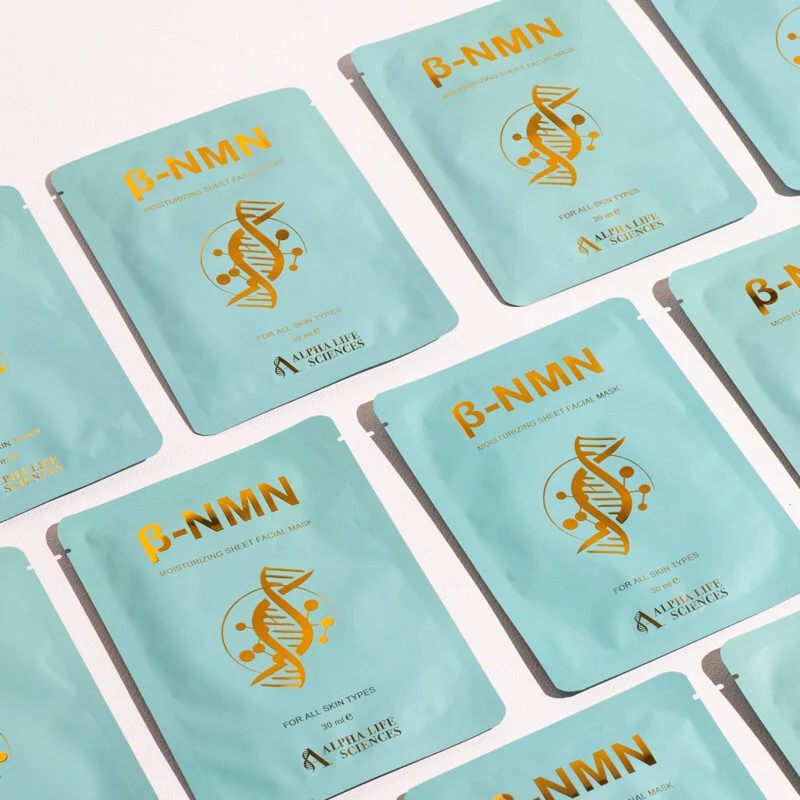
One of them is related to the molecule β–NMN, which has attracted significant scientific interest in recent years due to its role as a precursor to the coenzyme NAD+. This coenzyme is involved in numerous processes related to cellular energy and cell function. It is known that levels of NAD+ are known to naturally decline with age, which is one of the reasons scientists are looking for ways to maintain it. The formulas of Alpha Life Sciences with β–NMN have been developed specifically with a focus on this area of modern longevity science.
Another important aspect is maintaining a population of optimally functioning cells. This has drawn scientists’ attention to spermidine —a naturally occurring compound linked to autophagy processes. This is the mechanism by which cells break down and recycle damaged or unnecessary components to maintain their functionality and internal balance. This is precisely why spermidine ranks among the most studied molecules in the field of healthy aging and cellular well-being.
The everyday choices that shape our history
The third area focuses on protecting cells from daily oxidative stress. Free radicals, pollution, UV rays, and chronic stress are among the factors that accelerate the biological processes of aging. That is why antioxidant support and modern skincare play a vital role in a comprehensive strategy for maintaining healthy, vibrant skin.
Of course, no single molecule, dietary supplement, or cosmetic product can replace the fundamentals of a healthy lifestyle. A balanced diet, quality sleep, exercise, and the ability to manage stress remain the foundation of any long-term care for the body.
But modern science offers us something incredibly valuable: the opportunity to better understand the processes behind the way we age. Today we know that part of our cells’ story is written by our genes, but a large part of it is shaped by the choices we make every day.
Chronological age will always be just a number. Biological age tells a much more interesting story about how we live, how we take care of ourselves, and what impact our daily decisions have on our bodies. And the most interesting thing is that this story isn’t written in advance. It continues to change and be edited every day—mostly by us.