Nicotinamide Mononucleotide: What Is NMN and Why Is It Attracting Scientific Interest?

Nicotinamide mononucleotide is a molecule that has attracted attention in recent years both in the field of cellular processes and in the development of modern cosmetic formulations.
In this article by AlphaLife Sciences, we’ll explore what NMN is, how it relates to NAD+, what the research actually shows so far, and why it’s important to distinguish scientific interest from overly bold promises.
If you’re interested in topics like cellular energy, aging, and modern skincare, the following paragraphs provide a clear starting point without unnecessary complexity.
What Is Nicotinamide Mononucleotide and How Is It Related to NAD+?
Nicotinamide mononucleotide is a naturally occurring molecule and an intermediate compound in the processes by which the body produces nicotinamide adenine dinucleotide, known as NAD+.
This compound is involved in numerous cellular reactions related to the conversion of nutrients into usable energy and the normal functioning of cells.
It is precisely this biological connection that explains why NMN is being studied so intensively. A more detailed explanation of the molecule and its role in cellular processes can be found in the article What Is NMN.
Why is NAD+ so important for cells?
Nicotinamide mononucleotide is of interest primarily because of its role as a precursor to NAD+, not because it has been proven to be an anti-aging agent in its own right.
NAD+ plays a role in energy metabolism and in a number of enzymatic processes, and its levels can change with age and under the influence of various physiological factors.
This gives rise to a logical scientific hypothesis that influencing his metabolism may be significant. However, the hypothesis is not equivalent to a proven clinical result and should be considered separately from advertising claims.

What do studies on nicotinamide mononucleotide in humans show?
Nicotinamide mononucleotide has been studied in several clinical trials in humans, including with regard to NAD+ levels, metabolic markers, and various aspects of physical health. Interest in this molecule is part of a broader scientific search for mechanisms related to cellular aging, including autophagy.
Some studies on nicotinamide mononucleotide have shown changes in certain NAD-related markers, but they generally involve a relatively small number of participants and a limited follow-up period. Therefore, the available data are not yet sufficient to present NMN as a proven method for rejuvenation, life extension, or disease prevention.
Why a Promising Result Does Not Constitute Definitive Proof
Nicotinamide mononucleotide is a good example of why, when discussing longevity, we must distinguish between laboratory data, animal studies, and clinical results in humans.
A mechanism that appears convincing at the cellular level does not always lead to the same practical effect in the human body. Larger and longer-term studies are needed to more reliably assess both the efficacy and long-term safety in different groups of people.
That is why an evidence-based approach remains more valuable than the search for a “miracle” molecule.

How Nicotinamide Mononucleotide Fits into Skincare
Nicotinamide mononucleotide is also used as an ingredient in modern cosmetic formulations, where the focus differs from that of dietary supplements. When applied topically, the final result depends on the entire formula—the concentration and stability of the ingredients, as well as their combination with moisturizers, antioxidants, and components that support the skin barrier.
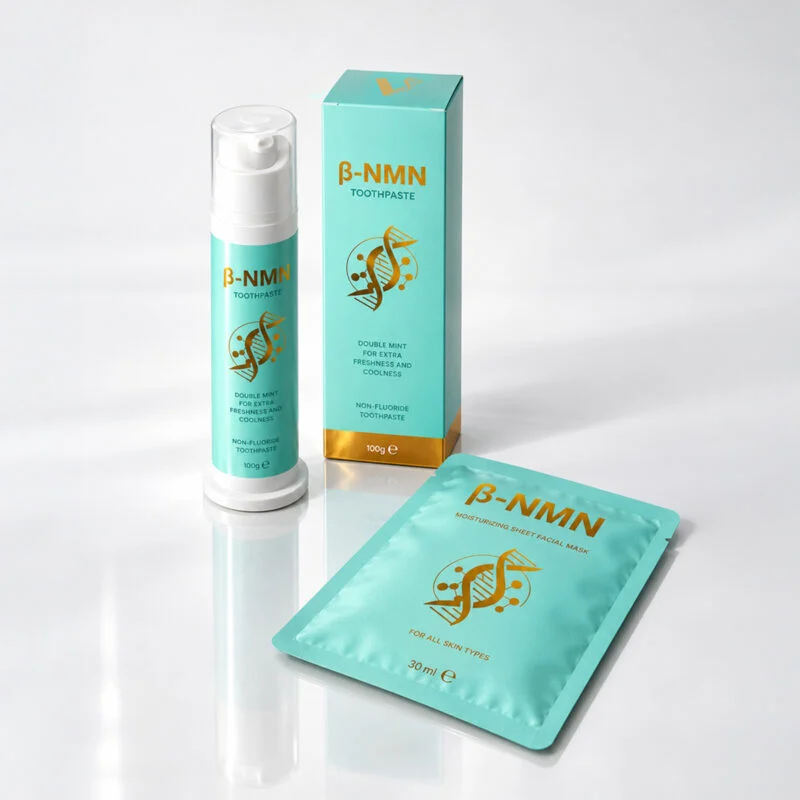
In the NMN regenerative skincare line , the molecule is included in products for daily and intensive care, combined with other active ingredients.
Why the entire formula is more important than a single modern ingredient
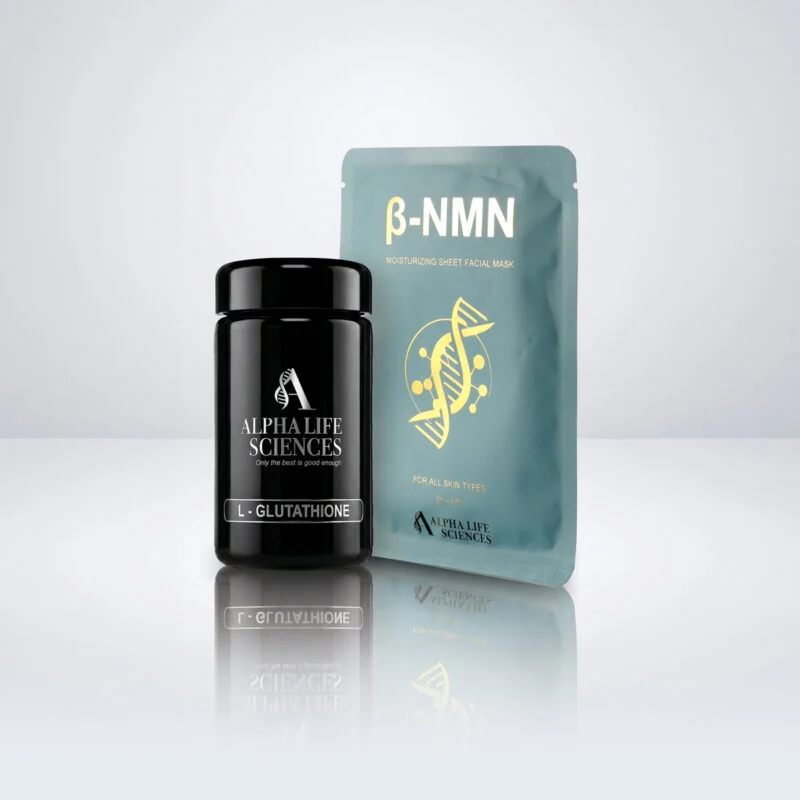
Nicotinamide mononucleotide should not be considered in isolation from the other ingredients in a cosmetic product. For example, a face cream containing β-NMN and L-glutathione also contains peptides, hyaluronic acid, ceramides, and other ingredients designed to promote hydration, support the skin barrier, and improve the skin’s appearance.
When evaluating a product like this, it makes more sense to consider the full list of ingredients, the product’s intended use, how to use it, and how well your skin tolerates it, rather than attributing all expected results to just one ingredient.

How to Make an Informed Decision About Nicotinamide Mononucleotide
Nicotinamide mononucleotide is an interesting area of contemporary research, but making a good choice starts with determining exactly which product you’re considering and what it’s intended for. Cosmetics, dietary supplements, and experimental research are not interchangeable concepts.
When using a cosmetic product, it is important to follow the application instructions and, if you have sensitive skin, to test it on a small area first. For supplements or other products intended for oral use, it is advisable to discuss your individual health status, medications, and possible interactions with a healthcare professional.
Nicotinamide mononucleotide will likely continue to be a subject of scientific interest, and new data will gradually help to clarify its potential and limitations.
Until then, the most sensible approach is to look for verifiable facts, transparent formulations, and realistic expectations, rather than categorical promises of longevity or rejuvenation.